
Feeding Birds Responsibly
Feeding backyard birds is one of the simplest ways to build a daily connection with nature, and it's also a responsibility.
A feeder that isn't maintained can do more harm than good. Here's what actually helps.
Is Feeding Birds Even Necessary?
Short answer: not really, and that's fine. The birds that visit feeders (finches, sparrows, towhees, doves) are common, adaptable species that do well on their own. Feeding them isn't going to move the needle for a threatened or declining species.
What it does offer is a reliable way to observe birds up close, and that kind of daily contact with wildlife tends to build the sense of connection that turns people into lifelong advocates for habitat and conservation. That's worth something, even if it's not strictly necessary for the birds.
The most bird-friendly yards combine feeders with native plants. Natives provide seeds, berries, nectar, and the insects that most nestlings are raised on, in a way no feeder can replicate. Think of feeding as a supplement to habitat, not a substitute for it.
What to Feed Birds
- Black oil sunflower seed is the closest thing to a universal favorite. Thin shells make it easy for small birds to crack, and it's high enough in fat to appeal to the widest range of species, from finches to jays. The seed hulls (their outer casing) can be messy. No-Mess versions that have the hull removed are available.
- Safflower seed is less attractive to squirrels and other wildlife than many other seed types, making it a good option if unwanted visitors are a problem at your feeder (see "Bird feeders attract more than just birds" below).
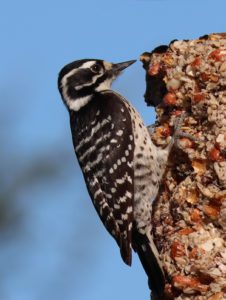
- Suet or no-melt suet cakes bring in woodpeckers, nuthatches, and other birds that primarily eat insects, and are especially useful outside of nesting season when insect availability drops.
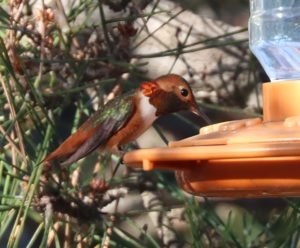
- Hummingbird nectar should be a simple 1 part white sugar to 4 parts water, boiled briefly to dissolve, then cooled before filling the feeder. Skip the honey (it can grow bacteria harmful to hummingbirds) and skip the red dye (unnecessary and unproven safe). This needs to be changed regularly, especially in hot weather, since it can grow bacteria or mold.
Additionally, skip cheap fillers. Milo and cracked corn are common in bargain seed mixes, but most songbirds ignore them. The uneaten seed ends up as waste on the ground, attracting rodents instead of birds.
Bird Feeders Attract More than Just Birds
Squirrels, rats, mice, and other wildlife are drawn to the same seed that brings in your favorite species. This is normal, but a few habits keep it from becoming a problem.
- Clean up spilled seed regularly. Fallen seed on the ground is what draws rodents in the first place, so a broom and a few minutes each week make a real difference. A tray or catch basin under your feeder cuts down on what hits the ground.
- Choose feeder styles that limit access. Squirrel-proof feeders with weighted perches or cage designs keep larger animals out while still letting smaller birds feed. Pole-mounted feeders with a baffle, placed well above ground level, work better than hanging feeders near trees or fences, since squirrels and rats can jump surprising distances.
- Add hot pepper flakes or capsaicin-treated seed to your mix. Birds cannot detect capsaicin, the compound that makes peppers spicy, so they eat treated seed without hesitation. Squirrels avoid it. Keep treated seed away from pets, since dogs and cats can still taste and react to capsaicin.
- Store seed in metal or thick plastic containers with tight lids. Bags of birdseed left in a garage or shed are an open invitation to rodents, and once they find a food source they tend to stick around.
- Bring feeders in at night if rats are a concern in your area. Many rodents are most active after dark, and removing the food source overnight can cut down on visits significantly.
- Skip the ground feeding if you're seeing rodent activity. Some birds prefer to feed on the ground, but this is also the easiest access point for squirrels, rats, and mice.
- Know when to pause feeding altogether. If you notice an established rodent population near your feeders, taking a break for a few weeks can encourage them to move on before you start again with better precautions in place.
How Often to Clean Bird Feeders
This is the step that gets skipped most often, and it's the one that matters most for bird health. Moldy seed and accumulated droppings spread disease between birds that gather at a feeder.
- Seed feeders: clean every two weeks. Take the feeder apart, wash with hot soapy water or a dishwasher, then rinse or soak in a diluted bleach solution (1 part bleach to 9 parts water) for about 10 minutes, and let it dry completely before refilling.
- Hummingbird feeders: clean weekly with hot water and a bottle brush (no soap). Replace the nectar every 3 to 5 days, more often in hot weather, since sugar water molds and ferments quickly.
- Suet feeders: check more frequently in warm weather, when suet can turn rancid.
- Ground beneath feeders: rake up spilled seed and hulls periodically. This helps prevent mold and reduces the food source that draws rodents, without giving up feeding altogether.
Clean more often than the schedule above during wet weather, periods of heavy feeder traffic, or if West Nile virus or other disease activity has been reported nearby.
When to Take Bird Feeders Down
Watch for birds that look sick: fluffed-up feathers, swollen or crusty eyes, lethargy, or uncoordinated movement. If you see a sick bird, or find a dead one, at your feeder:
- Take the feeder down right away.
- Clean it thoroughly with the bleach solution above, and clean up the ground underneath.
- Leave the feeder down for one to two weeks to encourage birds to disperse rather than continue gathering in one place.
- Don't handle a sick or dead bird directly. If you find one, contact a local wildlife rehabilitator.
This is a case where doing less (temporarily) is the responsible move. A crowded feeder is exactly how illnesses like conjunctivitis and salmonellosis spread between birds.
Why Water Matters as Much as Seed
A clean water source often draws a wider variety of birds than any feeder, including species that don't eat seed at all, like most warblers and flycatchers. Water is also a year-round need, not just a winter one.
The same cleaning principle applies here: stagnant, dirty water does more harm than good. Refresh a birdbath every few days, and if you want to leave it out longer between cleanings, keep the water moving with a small fountain pump or a water wiggler. Moving water is also the simplest way to keep a birdbath from becoming a mosquito breeding site. For more on that, see our mosquito management guide.
The Bottom Line on Feeding Birds
Feed if you want to, and don't feel obligated if you'd rather not. If you do, match the food to the birds you want to see, clean on a schedule rather than "when it looks dirty," and take feeders down at the first sign of a sick bird.
Pair it with a water source and a few native plants, and you'll see more birds, more species, and fewer problems than a feeder alone would ever produce.