
Mosquitoes, West Nile Virus, & Your Yard
Every summer, standing water around Conejo Valley homes turns into a mosquito nursery. Rain gutters that never quite drain, saucers under potted plants, forgotten buckets, unused fountains, even the runoff that pools at the curb when a neighbor overwaters their lawn.
Mosquitoes can complete their entire life cycle in a tablespoon of water, so the goal isn't just checking the obvious spots. It's checking everywhere water can sit for more than a few days.

What's the Real Risk?
West Nile virus is the most common mosquito-borne disease in California, and mosquitoes carrying it have already turned up during the 2026 season in Los Angeles and Orange County samples. It's worth taking seriously, and it's also worth keeping in proportion.
Most people bitten by an infected mosquito never develop symptoms at all. Of those who do, the large majority have a mild, flu-like illness that resolves on its own. Severe neuroinvasive disease is rare, and statewide, California has logged a few hundred human cases in a typical year, out of a population of nearly 40 million. Some years are much quieter than others.
That doesn't mean standing water is fine to ignore. It means the response can be practical and proportionate rather than driven by fear. A few consistent habits around your yard do far more than any single dramatic gesture.
And let’s not forget our furry friends. Mosquitos can also transmit heartworm disease to our companion animals. Southern California isn’t a hot spot for heartworm, but it does occur here, and it can be expensive and difficult to treat.
Start With Water, Not Birds
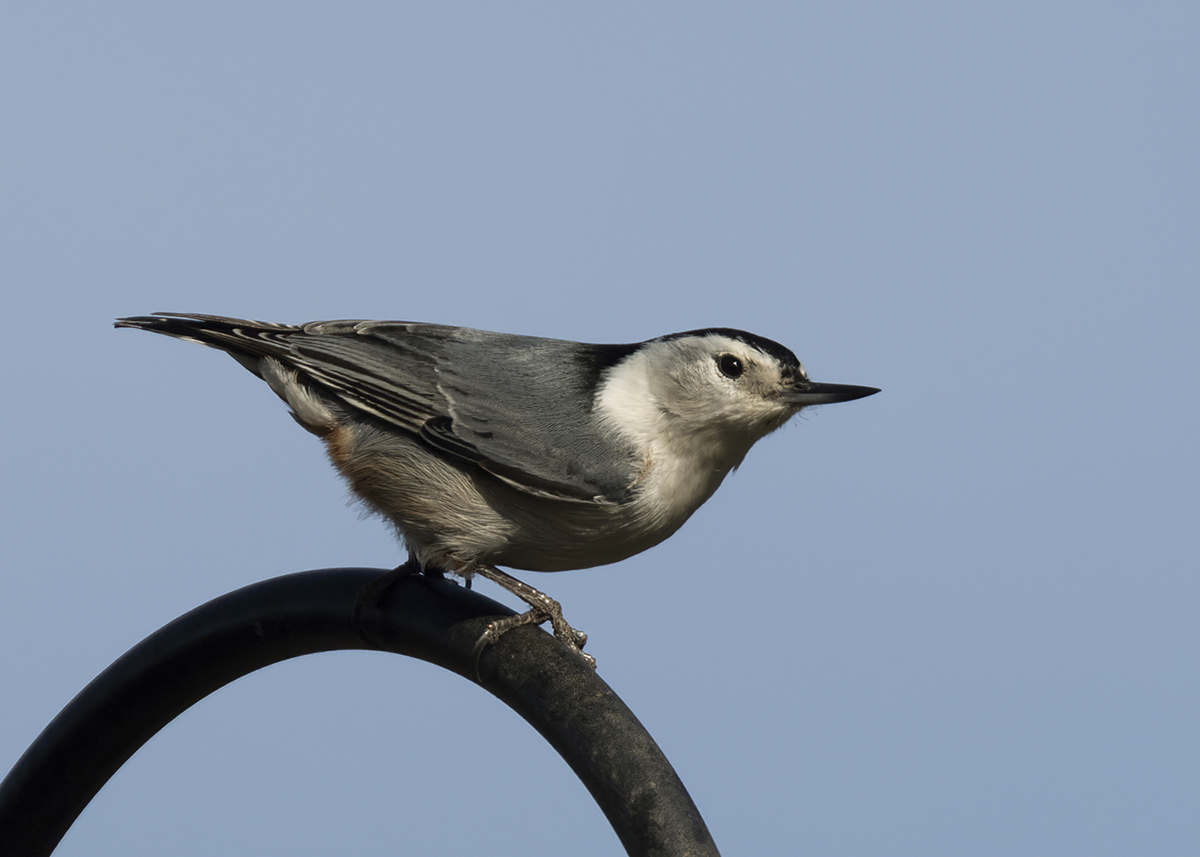
West Nile virus circulates between birds and mosquitoes, but that doesn't mean bird feeders are a mosquito or disease risk. Mosquitoes breed in standing water, not birdseed. A feeder in your yard has no bearing on whether mosquitoes have somewhere to lay eggs. If you want to reduce mosquitoes around your home, the standing water is where to focus.
Walk your property for anything holding water for more than a few days:
- Rain gutters that don't drain fully
- Saucers under potted plants
- Tarps, buckets, old tires, toys
- Low spots where irrigation or a neighbor's runoff collects
- Unused fountains, kiddie pools, or pool and hot tub covers that collect rainwater
Dump, drain, or turn over what you can. That single step eliminates most backyard breeding sites without any products at all.
For Water You Want to Keep
Bird baths, fountains, and ponds don't have to go, and you don't need to choose between supporting birds and controlling mosquitoes. A few options, in order of what we'd try first:
- Keep water moving.
Mosquito larvae need still water to develop. A small fountain pump, a solar bubbler, or a "water wiggler" in a birdbath keeps the surface agitated enough that mosquitoes won't lay eggs there in the first place.
- Clean and refresh regularly.
Dumping and refilling a birdbath every few days breaks the mosquito life cycle before eggs can hatch, and it's better for the birds using it anyway.
Fish in water gardens or ponds will discourage egg laying and eat any larvae that show up in those locations.
- Use a mosquito dunk if the first two aren't practical.
Dunks contain Bacillus thuringiensis israelensis (Bti), a naturally occurring soil bacterium that targets only mosquito, black fly, and fungus gnat larvae. It's registered by the EPA for use in water where pets and livestock drink, and has a long safety record around birds, fish, and other wildlife. One dunk (or a quarter of one, broken up, for smaller containers) treats water for about 30 days.
Dunks are a solid backup option for water you can't drain or keep moving, like rain barrels or an out-of-commission fountain. They're not a substitute for basic source reduction, but they're a genuinely low-impact tool when you need one.
Build a Mosquito Bucket to Trap Mosquitos Before They Spread
This is a neat trick if you want to actively reduce the mosquito population in your yard, not just protect your own water features. It works by giving egg-laying mosquitoes an irresistible target, then killing the larvae before they hatch into biting adults.
How to create a DIY mosquito trap:
What you'll need:
- A 5-gallon bucket
- Water
- A handful of dry leaves or grass clippings
- A mosquito dunk
Follow these steps:
- Fill the bucket about two-thirds full with water.
- Add a handful of dead leaves or grass clippings and let it sit for several days. As the organic material breaks down, the water becomes highly attractive to female mosquitoes looking for a place to lay eggs.
- Once it's had time to "steep," break up about a quarter of a mosquito dunk and drop it in.
- Cover the bucket with mesh, chicken wire, or a lid with holes drilled in it, so mosquitoes can still get in but pets and small wildlife can't fall in. A stick propped inside gives any small animal that does get in a way to climb back out.
- Place it in a shaded, low-traffic corner of the yard.
- Check every couple of weeks to make sure there's still water, and add another quarter dunk every 30 days.
Because the bucket is more attractive to egg-laying mosquitoes than your birdbath or fountain, it pulls them away from those spots. The Bti kills the larvae before they mature, so the eggs laid there never turn into a new generation of biting adults. It's one of the more effective tools available to a homeowner, and it doesn't touch bees, butterflies, birds, or anything else sharing your yard.

Photo Courtesy of California Native Plant Society, Calscape
What About the Birds?
If you're seeing sick birds: West Nile virus mostly affects birds without any visible signs, but if you notice a bird that looks weak, uncoordinated, or unable to fly, or if you're wondering how to tell one bird illness from another, see our guide to Bird Health Risks, Explained.
If you're worried about feeders attracting pests: Bird feeders can attract more than birds. So can fruit trees, compost bins, and pet food left outside. If rodent activity is a concern, the fix is feeder management (clean up spilled seed, use squirrel- and rodent-resistant feeders, bring feeders in at night) rather than removing feeders altogether. Check out our guide on feeding responsibly: what to feed, how often to clean feeders, when to take them down if you spot a sick bird, and why providing clean water is often just as valuable to local birds as seed.
More Information
For current West Nile virus activity by county, visit the California Mosquito-Borne Virus Surveillance dashboard or the California Department of Public Health page on mosquito-borne diseases.