
Protecting Birds: The Law, the Science, and What You Can Do
Birds face more pressure than most people realize: habitat loss, window strikes, free-roaming cats, poisoned rodents, and now wildfire and the regulations built to prevent it.
Some of the strongest protections birds have exist because of a century-old federal law, and some of the newest opportunities to help exist because of community science projects anyone can join. Here's an overview of both, along with who and how to reach when you need help with a bird-related question or situation.
The Migratory Bird Treaty Act
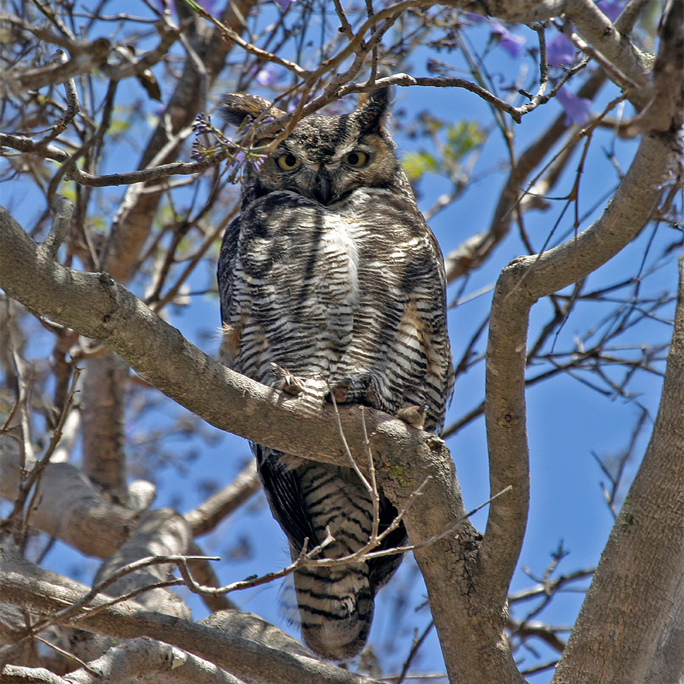
The Migratory Bird Treaty Act (MBTA), passed in 1918, is the foundation of bird protection law in the United States. It implements treaties between the U.S. and Canada, Mexico, Japan, and Russia, and today it covers more than 1,000 native bird species. Under the MBTA, it's illegal to pursue, hunt, capture, kill, or sell a protected bird, and that protection extends to nests, eggs, and feathers, not just live birds. It doesn't matter whether the bird is common or rare. A House Finch nest is protected the same as a Golden Eagle's.
Eagles have an extra layer of protection beyond the MBTA. The Bald and Golden Eagle Protection Act makes it a separate federal crime to take, possess, or sell any part of a bald or golden eagle, including feathers found on the ground, giving eagles more legal protection than any other bird group in the country.
In practice, the MBTA is the reason it's illegal to remove an active bird nest from your eaves, porch light, or shrubs once eggs or chicks are present, and it's why tree trimming and construction projects in many parts of California are timed around nesting season (roughly February through August) rather than done whenever it's convenient.
Federal enforcement of the MBTA has shifted over time, particularly around what's called "incidental take," meaning bird deaths caused by industrial activity rather than direct, intentional harm. In 2025, California passed its own law, the California Migratory Bird Protection Act (AB 454), which makes it unlawful to take or possess a protected migratory bird under state law regardless of what happens at the federal level. That gives California birds a state-level backstop even as federal protections have been in flux.
How You Can Help
- Time yard work around nesting season. If you're trimming trees, clearing brush, or doing exterior construction, check for active nests first, especially February through August.
- Reduce window strikes. Decals, screens, or external film on reflective windows prevent one of the most common causes of bird death in yards and near buildings.
- Keep cats indoors or in an enclosed catio. Free-roaming cats are one of the largest human-caused sources of bird mortality nationwide.
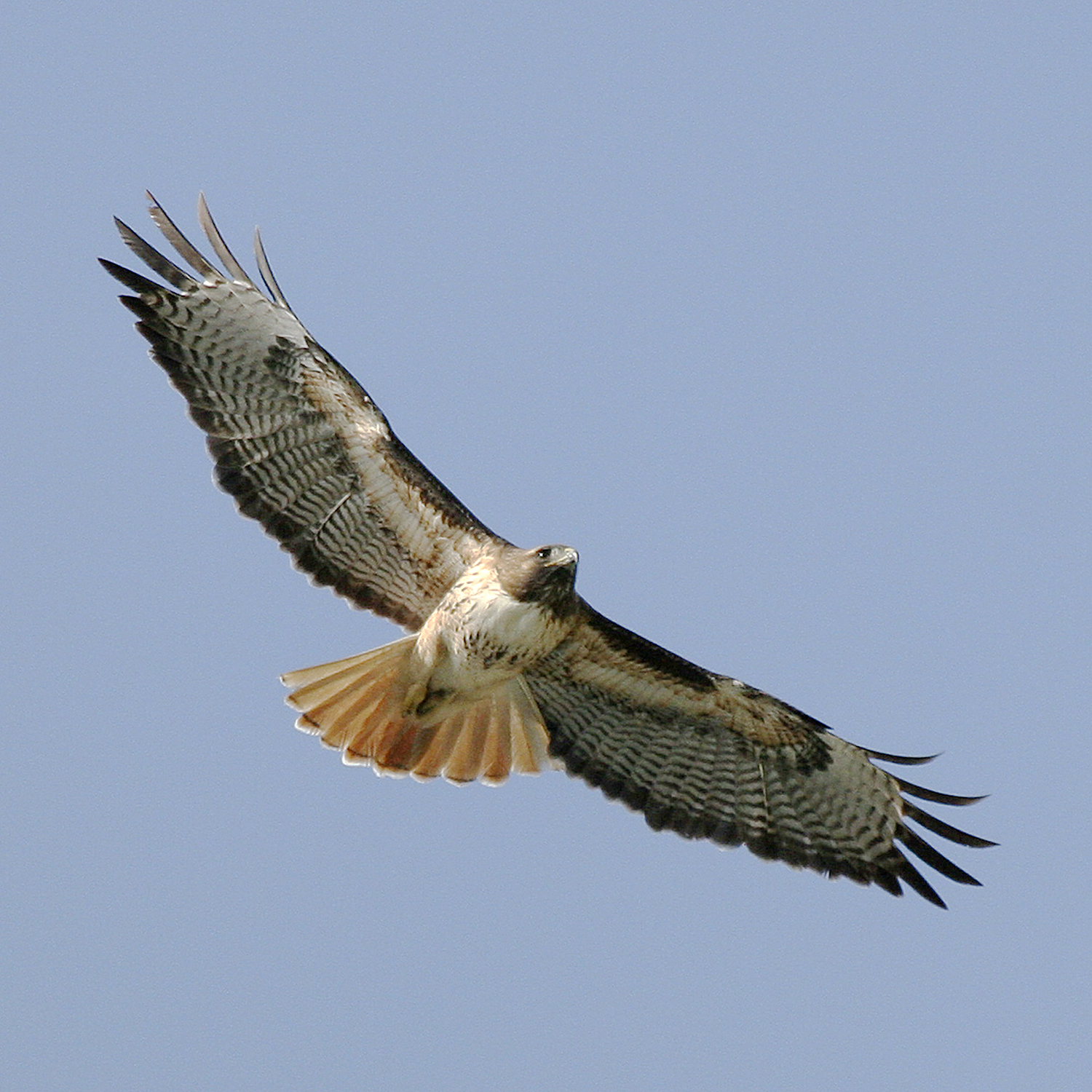
- Skip rodenticides. Poisoned rodents are a direct route to poisoning the hawks and owls that eat them.
- Skip insecticides, especially neonicotinoids. Baby birds are raised almost entirely on insects, and neonicotinoid use has been directly linked to regional bird decline, including here in Southern California.
- Report suspected violations. If you witness an active nest being destroyed or protected birds being harmed, you can contact the U.S. Fish & Wildlife Service Office of Law Enforcement or the California Department of Fish and Wildlife's CalTIP line (888-334-2258).
- Participate in community science. The data birders collect directly informs conservation policy. The California Bird Atlas and Project Phoenix, covered below, are two active projects you can join right now.
Eco-Friendly Rodent Control
If you're dealing with rodents around your home, the products you reach for matter to birds. Anticoagulant rodenticides don't just kill the rodent that eats them. A poisoned rat or mouse remains toxic for days to weeks, and any owl, hawk, or other predator that eats it can be poisoned too. This is called secondary poisoning, and it's a major reason California has phased in some of the strictest rodenticide restrictions in the country.
Second-generation anticoagulants have been restricted since 2021, and the remaining first-generation anticoagulants were added to the restriction in 2025. Despite that, testing has repeatedly found these poisons in the majority of raptors, bobcats, and mountain lions sampled statewide, largely due to remaining exemptions and products still in circulation.
Better Alternatives to Rodenticide:
- Exclusion first. Seal entry points, store food (including pet food and birdseed) in rodent-proof containers, and clean up fallen fruit and spilled seed.
- Snap traps over poison bait. They're immediate and don't create a secondary poisoning risk for whatever eats the rodent afterward.
- Support natural predators. A single barn owl family can eat over a thousand rodents a year. Installing a barn owl nest box is one of the most effective long-term rodent control strategies available to a homeowner, and it benefits the owls too.
A few traps worth avoiding:
- Live-capture "have-a-heart" traps rarely solve the underlying problem. Relocated rodents released far from home have a low survival rate, and rodents left in a trap without food, water, or shelter can suffer for hours before anyone checks it. And disposable live traps, thrown away with an animal still inside, are simply cruel.
- Glue traps deserve the same caution. They aren't selective. Birds, lizards, and other animals get caught as often as the intended rodent, and the animals that do get stuck often die slowly from exhaustion or dehydration rather than quickly. If you're trying to keep rodents away from birds of prey, a glue trap creates a different kind of suffering in the process.
Insects, Insecticides, & Birds
Most people picture birds eating seed, and adult birds often do, especially outside breeding season. But almost all baby birds are raised on insects. Seeds don't have enough protein or fat for a growing chick.
A familiar backyard example here is the Oak Titmouse, a year-round Conejo Valley resident and regular feeder visitor that's closely related to chickadees. Like its chickadee cousins, it switches to feeding its young almost entirely on caterpillars and other soft-bodied insects during nesting season.
Research on Carolina Chickadees, a well-studied relative of our local titmice, found that a single pair needs an estimated 6,000 to 9,000 caterpillars to raise one clutch, delivered roughly one every three minutes from dawn to dusk for over two weeks.
It's a reasonable stand-in for what our local insect-eating songbirds are doing in the same season. Multiply that across every nesting songbird in a neighborhood, and you can see why a yard's insect population matters so much to its birds.
This is where insecticides become a bird issue, not just a garden issue. Neonicotinoid insecticides, among the most widely used insecticides in the country, have been linked directly to declining bird populations, both because birds eating treated seed absorb the chemical directly, and because the insecticides collapse the insect populations birds need to feed their young. A widely cited nationwide study found the effect was concentrated in a handful of regions, including Southern California, which makes this a local issue for CVAS, not just a distant one.
What Helps:
- Plant natives. Native plants support dramatically more insect life than ornamentals, since most caterpillars can only eat plants they evolved alongside. A native oak can host hundreds of caterpillar species; a non-native ornamental of the same size often hosts one or none. See our native plant guide for options that do double duty: drought-tolerant and food-web-supporting.
- Skip systemic and neonicotinoid insecticides in the yard, and check plant tags at the nursery. Some "pest-free" ornamentals are pre-treated with neonicotinoids before you ever buy them.
- Tolerate some leaf damage. A few chewed leaves on a native shrub usually means caterpillars are present, which means there's food for the birds nesting nearby. A pristine, insect-free yard is a yard with very little to feed a growing chick.
- Be selective about mosquito control. Following our mosquito management guide, targeted tools like mosquito dunks affect only mosquito larvae, while broad-spectrum insecticide fogging kills the insect food supply along with the mosquitoes.
RELATED See our recommendations on feeding birds responsibly.
Community Science: California Bird Atlas
California hasn’t had a statewide Breeding Bird Atlas, despite supporting more breeding bird species than any other state, until the launch of the California Bird Atlas, a five-year project running from 2026 through 2030.
Birders of every skill level log what birds are doing (nest-building, feeding young, courtship displays) using eBird, and that data feeds directly into conservation and land-management decisions for decades to come.
Check out our on-demand webinar and get step-by-step instructions to participate in the California Bird Atlas.
Community Science: Project Phoenix
Project Phoenix, led by researchers at UCLA, studies how wildfire smoke affects bird populations across California, Oregon, and Washington.
Most bird-monitoring programs collect data in spring and early summer, but wildfire season in California is now practically year-round, which means there's a real gap in what's known about how smoke and poor air quality affect where birds go and how they behave.
How to participate in Project Phoenix: the commitment is about 10 minutes a week, watching and logging the birds you see. It's designed for beginners as well as experienced birders, since the point is consistent observation over time rather than expert identification.
Tip: You can contribute to the California Bird Atlas and Project Phoenix at the same time! Add #ProjectPhoenix to the comments of your CBA eBird checklist.
New to eBird? Both projects run on it. See our Community Science page for how to get started.
If You Need Bird-Related Help
If you find injured, sick, or orphaned birds, don't attempt to treat or feed a bird yourself.
- Contact a licensed wildlife rehabilitator for guidance before doing anything else:
- Raptors (hawks, owls, falcons): Ojai Raptor Center 805-649-6884
- Songbirds and most other native species: California Wildlife Center in Calabasas, (310) 458-9453
- Other wildlife: Animal Help Now
- Get additional information in our Frequently Asked Questions